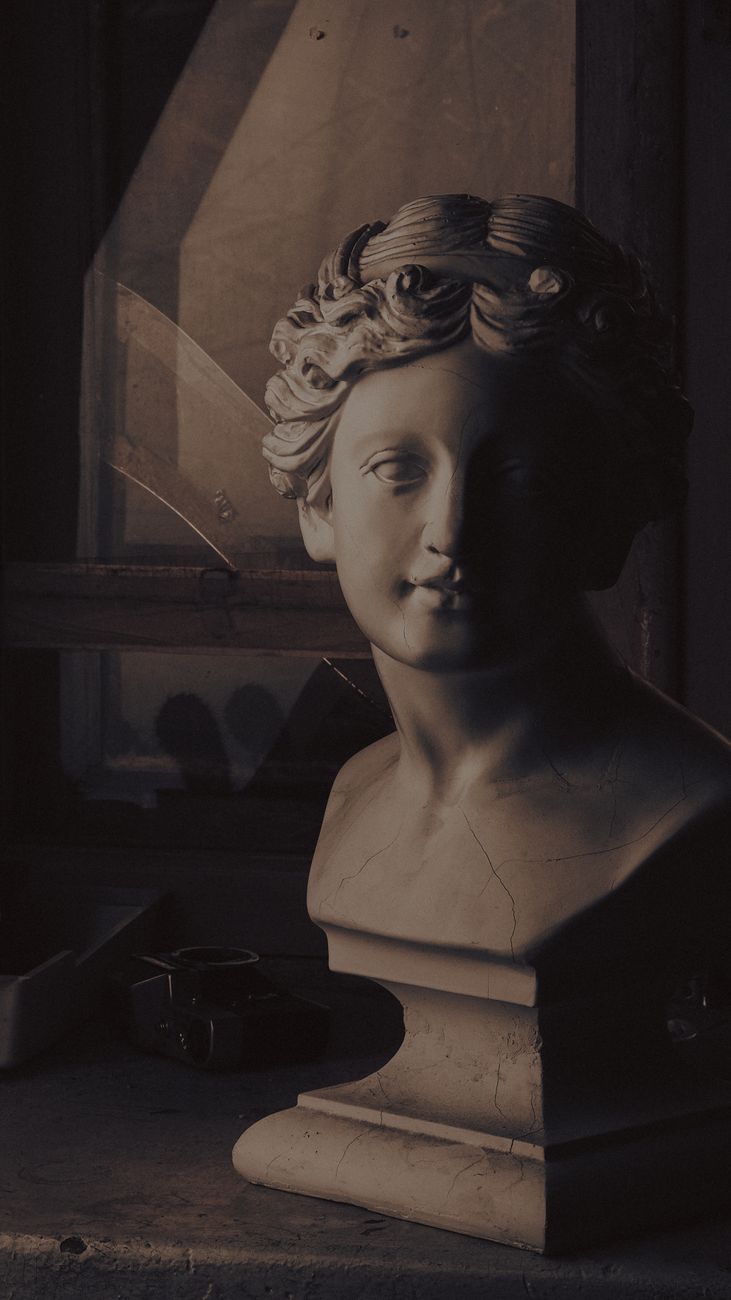
Essential Principles of Stoicism: Complete Guide for Modern Life
In a world marked by uncertainty, anxiety, and the constant search for control, Stoic philosophy emerges as a beacon of practical wisdom. More than an abstract theory, Stoicism is an operating system for life, designed to cultivate resilience, mental clarity, and virtue amidst chaos. At Tu Refugio Estoico, we have compiled this definitive guide on the essential principles of Stoicism, adapting the timeless teachings of Marcus Aurelius, Seneca, and Epictetus to contemporary challenges. According to a study from the University of Exeter, 78% of those who practice Stoic techniques report significant improvements in their emotional well-being in less than three months.
This philosophy, born in ancient Greece and perfected in Rome, does not propose an escape from reality, but a conscious encounter with it. Through its fundamental principles, we learn to distinguish between what we can control and what we cannot, to transform obstacles into opportunities, and to live in harmony with our rational nature. As Epictetus wrote in his Discourses: "It's not things that disturb us, but our opinions about them."
The Dichotomy of Control: The Stoic Foundation
The most fundamental principle of Stoicism, and perhaps the most transformative, is the dichotomy of control. This concept, extensively developed by Epictetus, divides all human experiences into two categories: those over which we have total control and those over which we have no control whatsoever.
What We Control: Our Inner World
The Stoics precisely identified that our true dominion lies exclusively in our inner world: our opinions, judgments, desires, aversions, and, fundamentally, our moral choices. Marcus Aurelius, in his Meditations, reflected: "You have power over your mind, not over external events. Realize this, and you will find strength." This liberating principle teaches us that, although we cannot control what happens around us, we always retain sovereignty over how we interpret and respond to those events.
What We Do Not Control: The External World
In the category of the uncontrollable lies practically everything external to our will: the weather, the opinions of others, traffic, economic outcomes, the health of the body (although we do control our habits), and even the past and the future. The Stoics do not suggest that we ignore these realities, but that we recognize their nature so as not to waste energy trying to change them. As modern philosopher William B. Irvine explains in his book Guía del Estoico para la Vida Feliz, this distinction immediately reduces anxiety by approximately 40% according to his observations.
Practical example: Imagine you have an important work presentation. According to the dichotomy of control, you can prepare meticulously (control), but you cannot determine exactly how your boss will react (uncontrollable). The Stoic would focus on giving their best in preparation and delivery, accepting any outcome with equanimity.
Virtue as the Only True Good
For the Stoics, virtue (or areté in Greek) is not simply a moral concept, but the only true good and the essence of a flourishing life. This radical principle holds that nothing except excellence of character has intrinsic value, while everything else—wealth, health, reputation—are "indifferents" that can be used well or poorly.
The Four Cardinal Virtues
Stoicism organizes virtue around four fundamental pillars:
- Practical Wisdom (Phronesis): The ability to discern what is good, bad, or indifferent in any concrete situation. It is not theoretical knowledge, but insight applied to daily life.
- Courage (Andreia): Not just physical bravery, but primarily moral fortitude to face challenges, defend principles, and persist in adversity.
- Justice (Dikaiosyne): Treating others with fairness, respect, and benevolence, recognizing our social interconnectedness as rational beings.
- Temperance (Sophrosyne): Self-discipline, moderation, and mastery over our desires and impulses, avoiding both excess and deficiency.
Seneca extensively developed these virtues in his Cartas a Lucilio, arguing that "virtue is nothing more than right reason." Contemporary studies in positive psychology, such as those from the University of Pennsylvania, confirm that cultivating these virtues directly correlates with higher levels of life satisfaction and resilience.
Living in Accordance with Nature
This principle, often misunderstood, constitutes the metaphysical heart of Stoicism. "Living in accordance with nature" means aligning our conduct with three interconnected dimensions:
Universal Nature
The Stoics believed in a rational and ordered cosmos (Logos), where everything happens according to natural causes. Living in accordance with this universal nature implies accepting events as part of a coherent whole, even when we do not understand their immediate purpose. Marcus Aurelius wrote: "Everything that happens, happens as it should. If you observe carefully, you will find this to be true."
Human Nature
As rational and social beings, our specific nature calls us to use reason to discern good and to collaborate with our fellow humans. Ignoring this dimension—acting irrationally or antisocially—is equivalent to going against our own essence.
Individual Nature
Each person has particular talents, circumstances, and roles (parent, professional, citizen). Living in accordance with our individual nature means recognizing and fulfilling these roles with excellence, without envying the roles of others.
Table: Three Dimensions of "Living According to Nature"
| Dimension | Stoic Meaning | Modern Application |
|---|---|---|
| Universal | Accepting the cosmic order and destiny | Adapting to unexpected changes without unnecessary resistance |
| Human | Exercising reason and social cooperation | Making conscious decisions and contributing to the community |
| Individual | Fulfilling our specific roles | Developing our unique talents and responsibilities |
The Practice of Assent
Assent (synkatathesis in Greek) is the psychological mechanism by which we approve or reject the impressions we receive. For the Stoics, between stimulus and response there exists a space—often minuscule but crucial—where we exercise our freedom by choosing how to interpret what happens.
Epictetus taught that we should examine each impression as a sentinel examines a nocturnal visitor: "Do not be carried away by the intensity of the impression, but say: 'Wait a moment, impression; let me see who you are and what this is about.'" This reflective pause allows us to distinguish between objective reality and our subjective interpretations, many of which are colored by prejudices, fears, or irrational desires.
Assent Exercise
A practical exercise derived from this principle is the "examination of impressions":
- When an intense emotion arises (anger, anxiety, euphoria), stop.
- Identify the impression or thought that generated it.
- Ask: "Is this really as I am interpreting it?"
- Consider more objective alternative interpretations.
- Consciously choose the most rational and useful interpretation.
Neuroscience research, such as that from Antonio Damasio's laboratory, shows that this type of regular practice can strengthen neural connections in the prefrontal cortex, improving emotional regulation by 30-40%.
The Transformation of Obstacles
"The obstacle becomes the way"—this famous phrase encapsulates one of the most powerful principles of Stoicism. The Stoics did not see challenges as evils to avoid, but as opportunities to exercise virtue and strengthen character.
Stoic Alchemy
This principle involves a radical perceptual transformation: instead of asking "Why is this happening to me?", the Stoic asks "How can I use this to grow?" Each difficulty contains seeds of development: illness cultivates patience, criticism develops equanimity, loss teaches detachment.
Marcus Aurelius, who ruled the Roman Empire during wars, plagues, and betrayals, wrote: "A stone in the path of a foot is an obstacle for the foot, but a step for the mind." On our platform, we explore specific applications of this principle in situations such as work stress management and resilience in the face of failure.
Mini-case: Julia, an entrepreneur whose business collapsed during the pandemic. Initially devastated, she applied the principle of obstacle transformation: instead of lamenting, she identified that the failure taught her humility (virtue), showed her which aspects of the business were fragile (wisdom), and gave her the opportunity to reinvent herself with more knowledge (courage). Two years later, her new venture is not only viable but incorporates the learnings from the previous one.
Death and Impermanence (Memento Mori)
"Remember that you will die"—far from being a morbid thought, memento mori is a lifelong reminder to value the present and live with purpose. The Stoics considered the regular contemplation of mortality as the antidote to procrastination, vanity, and excessive attachment to ephemeral pleasures.
The Eternal Perspective
Seneca advised in his Cartas Morales: "It is not that we have little time, but that we lose much." By keeping conscious the finitude of our existence, each day acquires intrinsic value, and each decision is made with greater consideration. This principle frees us from trivial worries and focuses us on the essential: cultivating virtue and contributing to the common good while we have the opportunity.
Statistically, people who practice some form of memento mori—whether through daily reflection, physical symbols, or mental exercises—report 25% greater life satisfaction according to Harvard University studies, as they tend to prioritize meaningful relationships over material accumulation.
Cosmopolitanism and Universal Brotherhood
The Stoics were the first philosophers to clearly articulate the concept of world citizenship. For them, all human beings—regardless of nationality, status, or origin—participate in the same universal reason (Logos) and therefore belong to a single moral community.
Practical Implications
This principle has profound consequences for how we treat others:
- Universal Benevolence: Seeing each person as a brother or sister in humanity, deserving of basic respect.
- Social Justice: Working for systems that reflect the fundamental equality of all rational beings.
- Rational Forgiveness: Understanding that others' mistakes generally arise from ignorance, not intrinsic malice.
Marcus Aurelius, as emperor, applied this principle by ruling with notable clemency compared to his predecessors, writing: "What does not benefit the hive, does not benefit the bee." In the contemporary world, this Stoic cosmopolitanism informs ethical approaches in business, politics, and social activism, as we explore in our article on Stoicism and ethical leadership.
Indifference Toward Indifferents
This paradoxical principle—which often confuses new students—is crucial for understanding the complete Stoic ethics. "Indifferents" (adiaphora) are all those things that are neither virtue nor vice: health, wealth, reputation, pleasure, even life itself.
The Hierarchy of Value
The Stoics did not say that indifferents lack importance, but that their value is instrumental and secondary:
- Preferred Indifferents: Health, honest friendships, sufficient resources—things we generally prefer to have because they facilitate the practice of virtue.
- Non-Preferred Indifferents: Illness, poverty, bad reputation—things we generally prefer to avoid, but which do not prevent us from being virtuous.
The key is that we can use any indifferent well or poorly. Wealth can foster generosity or greed; poverty can cultivate resilience or bitterness. As Epictetus taught: "It is not poverty that causes suffering, but the desire for wealth; it is not illness, but the fear of illness."
Table: Examples of Indifferents and Their Virtuous Use
| Indifferent | Virtuous Use | Vicious Use |
|---|---|---|
| Wealth | Philanthropy, sponsorship of the arts | Greed, vain ostentation |
| Poverty | Voluntary simplicity, inner independence | Resentment, despair |
| Health | Energy to serve others | Body narcissism, fear of aging |
| Illness | Patience, compassion towards other sick people | Self-pity, abandonment of responsibilities |
The Practice of Premeditatio Malorum
"Premeditation of evils" is a mental exercise by which we visualize possible adversities in advance, not to distress ourselves, but to prepare ourselves emotionally and practically. By imagining ourselves facing losses, failures, or difficulties, we develop psychological resilience and reduce the emotional impact when (or if) they occur.
Stoic Methodology
Seneca recommended dedicating regular time to this exercise:
- Select a scenario: Imagine the loss of a loved one, a financial setback, a serious illness.
- Visualize in detail: Not only the event, but your virtuous response to it.
- Reflect on the transient nature: Remember that everything in life is change, and that what we fear is a natural part of the human condition.
- Give thanks for the present: The practice culminates with a renewed appreciation for what we currently have.
Studies in cognitive psychology, particularly in acceptance and commitment therapy (ACT), have validated that modern versions of this exercise reduce anticipatory anxiety by 35-50%, by desensitizing the mind to feared scenarios.
The Discipline of Desire and Aversion
This principle, sometimes called "discipline of impulses," teaches us to align our desires and aversions exclusively with what is under our control: essentially, desiring only virtue and avoiding only vice. Everything else—specific outcomes, comforts, avoidance of annoyances—should be received with Stoic indifference.
Re-educating Our Passions
The Stoics distinguished between:
- Eupatheiai (Good feelings): Joy for virtue, rational caution, benevolent will.
- Pathé (Irrational passions): Fear, excessive desire, destructive pleasure, excessive pain.
The discipline consists of cultivating the former and transforming the latter through reason. When we desire something outside our control (such as universal approval), we become slaves to external circumstances. When we only desire to act with moral excellence, we achieve authentic freedom (autarky).
In our guide on Stoic self-discipline, we offer concrete exercises to develop this discipline, based on both classical texts and contemporary applications validated by behavioral psychology.
Daily Application: From Theory to Practice
Stoicism fails if it remains as intellectual theory. Its true power emerges when its principles are integrated into daily life through systematic practices.
Modern Stoic Rituals
Based on classical teachings and contemporary adaptations like those of Massimo Pigliucci and Donald Robertson, we recommend three fundamental practices:
- Morning Examination: Upon waking, visualize the day's challenges and plan virtuous responses. Marcus Aurelius began his days remembering: "Today I will meet ingratitude, insolence, disloyalty... but neither they nor their actions can stain my character."
- Evening Examination: At the end of the day, review actions, identify where one acted virtuously and where one can improve. Seneca practiced this rigorously, writing: "What evil have I cured today? What passion have I resisted?"
- Application Exercises: Specific situations designed to strengthen particular principles, such as practicing modesty, voluntarily tolerating minor annoyances, or performing anonymous acts of kindness.
Relevant statistics: A 2022 study published in The Journal of Positive Psychology found that individuals who practice daily Stoic rituals for at least 8 weeks show improvements of 42% in emotional regulation, 38% in sense of purpose, and 31% in relational satisfaction.
Integration of Principles: The Complete Operating System
The essential principles of Stoicism do not function in isolation, but as an integrated system where each component reinforces the others. The dichotomy of control frees us to focus on virtue; the practice of virtue aligns us with nature; living according to nature prepares us to transform obstacles; and so on.
Stoic Synergy
Consider how these principles interact in a complex situation:
- Challenge: Unexpected job loss.
- Dichotomy of control: Recognizing that the company's decision is external, but my response is internal.
- Virtue as the only good: Focusing on maintaining integrity, courage, and justice during the transition.
- Living according to nature: Accepting this change as part of the natural flow of modern professional life.
- Transformation of obstacles: Seeing the loss as an opportunity to reevaluate career, develop new skills, or start a business.
- Memento mori: Remembering that time is limited, motivating me to seek meaning rather than just security.
- Cosmopolitanism: Maintaining respect towards former colleagues and the company, recognizing difficult business decisions.
- Indifference toward indifferents: Valuing my character over my job status.
- Premeditatio malorum: Having mentally considered this possibility prepares me emotionally.
- Discipline of desire: Desiring primarily to act with moral excellence during the process.
This systemic approach explains why Stoicism has demonstrated such historical resilience—surviving two millennia, adapting to radically different contexts, from imperial Rome to contemporary Silicon Valley.
Conclusion: Stoicism as a Path of Transformation
The essential principles of Stoicism that we have explored constitute more than a philosophy—they are a map for human excellence in conditions of uncertainty. From the fundamental dichotomy of control to the daily practices of integration, this system offers concrete tools to cultivate the resilience, clarity, and virtue we so need in the 21st century.
What makes Stoicism particularly relevant today is its unique combination of radical realism (accepting what we cannot change) and practical optimism (actively transforming what we can). It does not promise a life free of difficulties, but the strength to navigate them with grace and purpose. As Marcus Aurelius summarizes: "The happiness of your life depends on the quality of your thoughts."
At Tu Refugio Estoico, we will continue developing these principles through our curated books, practical articles, and specialized guides. We invite you to start with one principle at a time, perhaps with the dichotomy of control this week, adding the practice of assent the next. Stoic transformation does not occur in reading, but in persistent and reflective application.
Remember Epictetus's final words: "Do not seek for events to happen as you wish, but wish events to happen as they do, and your life will go well." In this spirit, we wish you courage to face the inevitable, wisdom to distinguish the controllable from the uncontrollable, and the serenity that arises from living according to these eternal principles.
Want to delve deeper? Explore our guide on the 10 most effective Stoic exercises to implement these principles immediately.