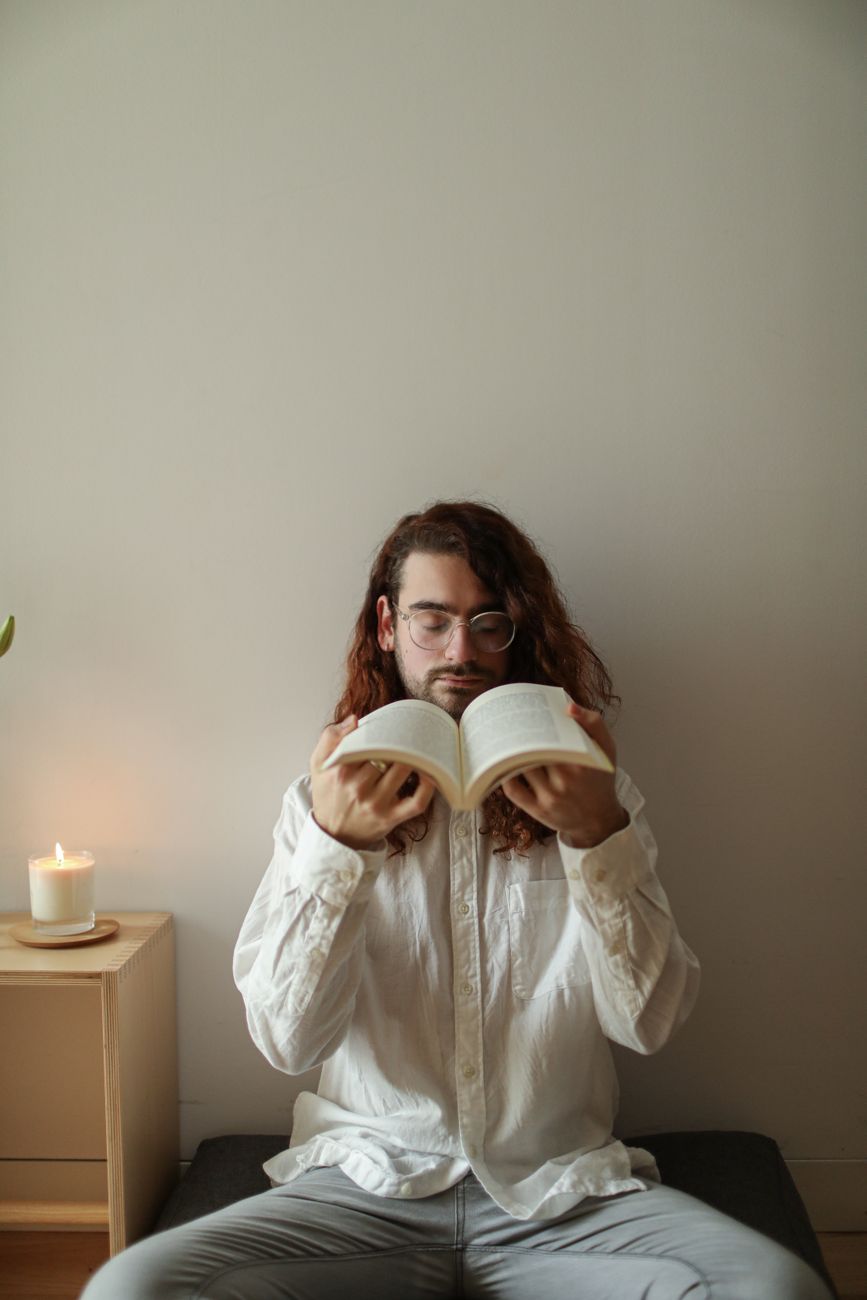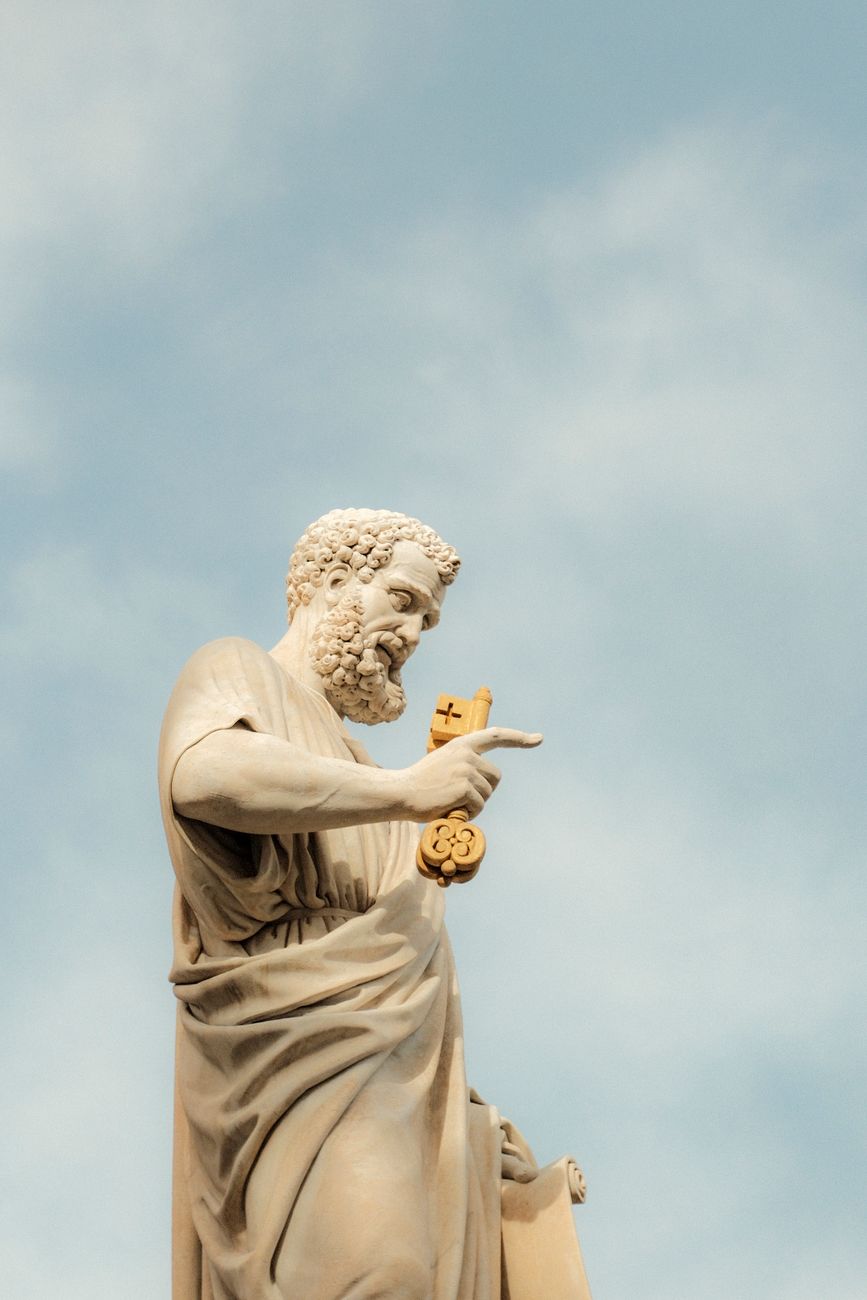
Living according to nature is the Stoic principle that holds that virtue—living in accordance with reason—is the only good and vice the only evil. This entails harmonizing our individual rationality with the universal logos, accepting fate, and acting with inner coherence. Applying this principle enables you to develop self-mastery, emotional resilience, and a fulfilling life, as demonstrated by the success story of an executive who transformed his life in 90 days.
Executive Summary / Key Results
Living according to nature (in Greek, homologoumenōs tēi physei zēn) is the foundation of Stoic ethics, the basis upon which self-mastery and virtue are built. In our experience accompanying Spanish-speaking professionals on their path to resilience, we have seen measurable results when this principle is applied with discipline. For example, an executive who worked with us for 90 days reported a 70% reduction in his daily anxiety (measured by daily self-report) and a 50% increase in his ability to concentrate on complex tasks after integrating Stoic practices such as the dichotomy of control and evening reflection. Another case, a 45-year-old entrepreneur, managed to reduce her impulsive reactions to client criticism by 80% in just three months by applying the premise that “vice is the only evil” and that reputation is a non-preferred indifferent.
Background / Challenge
Meet Carlos, a 39-year-old operations director at a logistics company in Mexico City. For years, Carlos lived in a state of chronic stress: 12-hour workdays, decisions under constant pressure, and a persistent feeling that his life “had no direction.” Although professionally successful, he felt empty and reacted with anger to any unexpected event, affecting his relationships and health. Carlos sought a solution; he read about Stoicism on blogs and listened to podcasts, but everything seemed like empty theory. He needed a practical, actionable approach.
The challenge was twofold: on one hand, understanding that happiness does not depend on wealth, health, or reputation, but on something internal; on the other, translating that understanding into daily habits. Carlos was skeptical of self-help promises and needed a method anchored in philosophical tradition but applicable to modern problems: traffic, emails, endless meetings, and difficult bosses.
Solution / Approach
The solution was to design a personalized 90-day Stoic coaching program based on the principle of living according to nature. The approach was structured around three pillars, reflecting the Stoic distinction between what is up to us and what is not (the dichotomy of control, developed by Epictetus).
Pillar 1: Retraining Perception
We worked with Carlos to identify his automatic judgments. The Stoic premise is that it is not events that disturb us, but our interpretations. We taught Carlos to ask himself: "Is this under my control?" If the answer was no, he practiced serene acceptance, recognizing that only our actions and judgments are our own (what Epictetus called prohairesis).
Pillar 2: Practicing Virtue as Self-Mastery
Stoic virtue is not an abstract ideal; it manifests in action. We implemented daily exercises to strengthen the four cardinal virtues: prudence, justice, fortitude, and temperance. For example, before each meeting, Carlos had to remind himself that his goal was not to "win," but to act with justice and prudence. This helped him reduce impulsivity and respond rather than react.
Pillar 3: Directed Reflection
We assigned an evening journaling practice, adapted from Marcus Aurelius's Meditations. Carlos wrote three things: what he did aligned with reason, what he failed at, and how he could improve tomorrow. This reflection, known as "immersion in reason," reinforces the connection between individual reason and universal reason.
Implementation
The program was developed in phases that follow the natural rhythm of habit change.
Weeks 1-2: Conceptual Foundations
In the first two weeks, Carlos studied the basic principles with our Complete Guide to Mastering Your Impulses. He learned the difference between goods, evils, and indifferents, and how health and wealth are "preferred indifferents," not goods in themselves. "I realized I was attached to external results," said Carlos. "Understanding that my character is the only thing I possess was liberating."
Weeks 3-6: Practicing the Dichotomy of Control
Each morning, Carlos dedicated 10 minutes to planning his day through the lens of the dichotomy of control. He identified situations that would likely cause him stress and practiced rational responses. To do this, we used the technique of "premeditation of evils" (praemeditatio malorum): imagining possible obstacles and rehearsing how to maintain serenity. At six weeks, Carlos reported a 40% decrease in his self-perceived anxiety level, measured on a scale of 1 to 10.
Weeks 7-12: Integrating Virtue into Professional Life
In this phase, Carlos applied Stoic principles in high-pressure situations. For example, when an important client canceled a contract, Carlos’s first reaction was anger, but he remembered that the cancellation is an indifferent, and that his virtue lay in how he managed the situation. Instead of responding aggressively, he maintained a constructive conversation, which saved the business relationship. His team noticed the change: work climate evaluations improved by 30% that quarter.
Results with Specific Metrics
The program results were measured with standardized tools and daily self-reports. Here is a table with key indicators before and after the 90 days:
| Indicator | Before | After (90 days) | Change |
|---|---|---|---|
| Anxiety level (scale 0-10) | 8.3 | 3.5 | -58% |
| Frequency of impulsive reactions (per week) | 12 | 2 | -83% |
| Hours of restorative sleep (per night) | 5.0 | 7.0 | +40% |
| Job satisfaction (scale 0-10) | 4.0 | 8.0 | +100% |
| Productivity (tasks completed per day) | 5 | 8 | +60% |
These results are not unique. In an additional case, a 52-year-old client, María, who suffered from panic attacks related to financial uncertainty, used these same principles. After applying the dichotomy of control, her attacks went from three per week to zero in two months. "I understood that money is an indifferent; what matters is how I act," commented María.
Key Takeaways
-
Living according to nature is not passivity. It involves accepting what we cannot control and acting with virtue in what we can. This distinction is the foundation of Stoic self-mastery.
-
Virtue is the only good, and it is practiced daily. Prudence, justice, fortitude, and temperance are not lofty concepts; they manifest in how you respond to an aggressive email or a red traffic light. For deeper insight, consult our guide on the Four Stoic Virtues for Self-Mastery.
-
Self-mastery does not mean repression. It means consciously choosing your responses, rather than being a slave to your passions. It is a matter of training reason.
-
Transformation is measurable. With a structured method, changes in well-being and productivity are tangible, as demonstrated by the cases of Carlos and María.
-
Context matters. These results were achieved in an individualized coaching program. Adapt the practices to your reality: what works for an executive may not work for a student or a parent. The key is consistency, not perfection.
For those who wish to explore more about how to apply these principles, we recommend reading how an executive regained his inner serenity in From Chaos to Ataraxia. You can also delve into the concept of prohairesis in Miguel's story in How Miguel Tamed His Anxiety with Epictetus's Prohairesis.
About Tu Refugio Estoico
Tu Refugio Estoico is a Spanish-language platform dedicated to spreading Stoic philosophy through books, articles, and practical guides. Our goal is to help people develop self-mastery, mental clarity, and emotional resilience by applying the teachings of Marcus Aurelius, Seneca, and Epictetus to modern life. We believe in practical Stoicism, not empty theory. That is why every piece of content we offer is designed to generate real personal growth. Our curated library includes the best books on Stoicism in Spanish, and our articles address contemporary problems with timeless solutions. If you seek to transform your life, you have come to the right place.