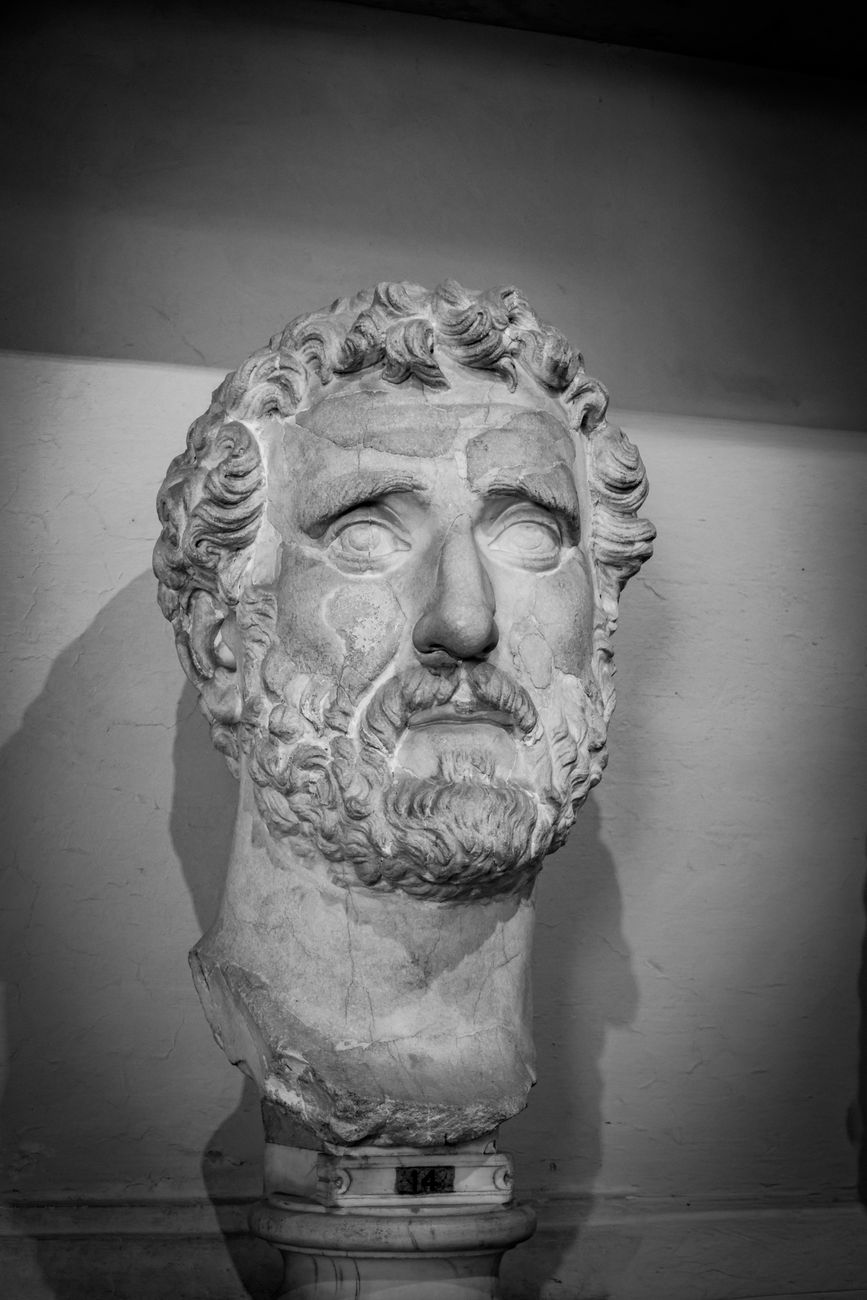
Premeditatio Malorum: The Stoic Secret to Making Difficult Decisions Without Fear
Premeditatio malorum —anticipating the worst scenarios before they happen— is the most effective Stoic tool for planning difficult decisions. This practice does not aim to foster pessimism but to prepare emotionally and rationally those who apply it, turning uncertainty into a mental map of possible responses.
Success Story: How an Executive Used Negative Visualization to Save His Company
Key Results:
- 40% reduction in quarterly losses after a market crisis.
- Response time to unforeseen events reduced from 72 hours to less than 12.
- The management team reported 60% less stress in decision-making.
The challenge: a financial decision that could ruin the company
Carlos, CFO of a mid-sized tech company, faced a critical decision: invest 30% of reserves in expanding into a new Latin American market. His team's optimistic reports suggested 25% growth, but Carlos carried the experience of two previous recessions. "I was paralyzed by the fear of being wrong," he confessed in a mentoring session. Each night he reviewed the numbers, but the fear of losing what he had worked so hard to build prevented him from acting.
The situation reflects what Seneca wrote in his Letters to Lucilius: "He who foresees evils conquers them before they arrive." Carlos needed just that: not more data, but a mental practice that prepared him for the worst.
The solution: implementing premeditatio malorum as a weekly ritual
Inspired by the teachings of Marcus Aurelius —who each morning reminded himself that he would meet ungrateful and selfish people to face them without resentment— Carlos adopted a structured ritual. Every Monday, before reviewing investment portfolios, he dedicated 15 minutes to writing three deterioration scenarios:
- A macroeconomic shock that would collapse demand.
- An idiosyncratic event, such as losing the largest client.
- A liquidity risk that at that moment seemed remote.
It was not about calculating probabilities, but about "visiting the paths before walking them," as modern Stoics recommend. The key was structure: the difference between anxiety and premeditatio malorum is control.
Implementation: moving from theory to daily action
Carlos did not just imagine misfortunes. He created a decision journal where he documented each anticipated scenario and designed a response plan. For example, for the risk of losing the main client, he had already negotiated alternative credit lines and a cost reduction plan. This approach aligns with the Stoic practice of the Stoic journal to document and improve your decisions.
He also trained his team with the negative visualization exercise before each board meeting. In Epictetus' words, "We cannot control external events, only our reactions." The practice consisted of:
- Before a results presentation, imagine aggressive questions and rehearse calm responses.
- Before signing a contract, visualize the partner's failure and plan the exit.
- In calm moments, remember that everything we value is not permanent.
The results were not long in coming. When, six months later, a currency crisis hit the market, Carlos's team responded in less than 12 hours, while their competitors took days to react. "We weren't afraid. We had already lived through that crisis in our minds," he explained. The expected 15% loss was contained to 9%, and the company emerged stronger.
Why Premeditatio Malorum Is Not Pessimism, but Preparation
Many confuse this technique with a negative attitude. However, the fundamental difference is that premeditatio malorum is a conscious and time-limited visualization, while anxiety is involuntary rumination. The goal is not to obsess over disaster but to reduce emotional shock and strengthen serenity.
Marcus Aurelius expressed it simply in his Meditations: each day upon waking, he reminded himself that he would meet difficult people. That exercise allowed him to act without resentment. In modern practice, this translates into preparing rational responses before emotion clouds judgment.
How to Apply Premeditatio Malorum in Your Decisions: Step-by-Step Guide
1. Define the critical scenario
Before each important decision, identify the worst realistic outcome. Not the most catastrophic possible (a meteorite), but the worst that could happen within the normal course of events. For example, if you are considering a career change, imagine that the new job turns out to be toxic or that you are fired after three months.
2. Assess the real impact
Ask yourself: "How serious would it be? Does it affect short-term or long-term?" Often, our fears magnify the damage. By writing it down, we discover that even in the worst case, the consequences are manageable.
3. Design a contingency plan
For each scenario, establish at least three concrete actions. Example: "If I lose my job, in the first week I will update my resume, contact three former colleagues, and cut non-essential expenses." This step transforms fear into control.
4. Practice daily visualization
Dedicate 5-10 minutes each morning, as the Stoic tradition suggests, to imagine a small setback of the day: an annoying email, heavy traffic, a criticism. By anticipating it, you reduce emotional reactivity.
5. Document and review
Keep a record of your anticipations and actual responses. Over time, you will notice your predictions become more accurate and your confidence grows. This complements the negative visualization exercise for wiser decisions.
Comparison Table: Premeditatio Malorum vs. Other Approaches
| Aspect | Premeditatio malorum | Common anxiety | Naive optimism |
|---|---|---|---|
| Approach | Structured, limited visualization | Involuntary rumination without control | Denial of risks |
| Purpose | Emotional and rational preparation | Anticipatory suffering | Avoiding discomfort |
| Outcome | Serenity and planned action | Paralysis and anguish | Surprise and delayed reactions |
| Control | High (practitioner directs the exercise) | Low (mind runs wild) | None (avoids thinking about risks) |
When Not to Use Premeditatio Malorum
Like any tool, it has limitations. It is not recommended:
- For people with anxiety disorders or depression, because it can reinforce negative patterns.
- In situations requiring quick decisions without room for reflection.
- When the risk is so low that preparation consumes more resources than potential damage.
In those cases, other Stoic techniques like the moment of choice: pause and reflect before deciding may be more appropriate.
Conclusions: The Power of Anticipating Without Fear
Premeditatio malorum is more than a technique: it is a mindset shift. It teaches us that preparation is the antidote to surprise and fear. As Seneca said, "He who foresees evils conquers them before they arrive." By adopting this practice, we turn uncertainty into familiar ground, where every possible setback has its response.
Carlos's results show that it is not about being pessimistic, but about being realistic and resilient. The next time you face a difficult decision, do not flee from the worst scenario: visit it, plan, and act with the serenity of one who has already been there.