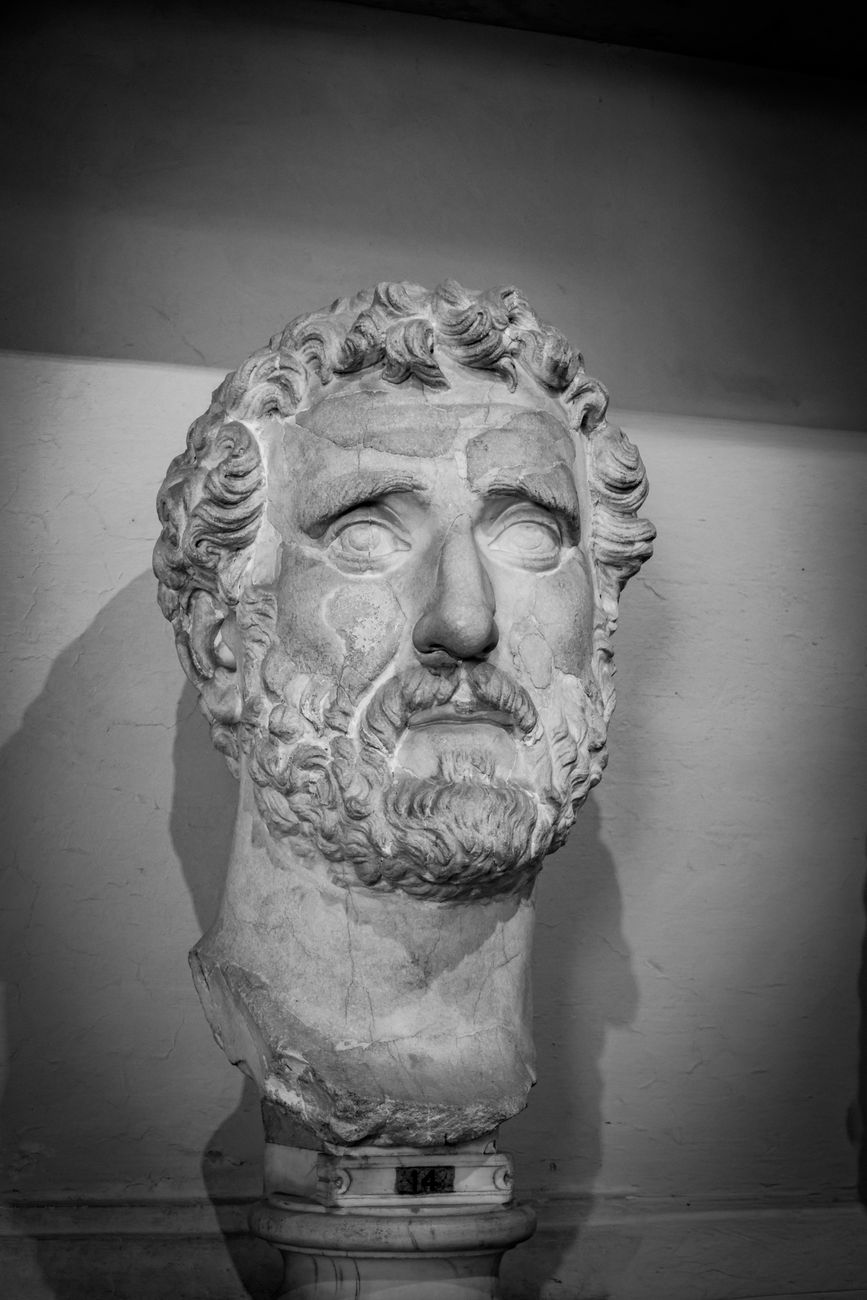
The Moment of Choice: How to Apply the 'Stoic Pause' Before Deciding
The Stoic pause is a moment of reflection lasting just a few seconds that allows you to identify emotions, analyze the situation, and choose a response aligned with your values, halting the automatic reaction. This article will guide you step by step to apply this Stoic technique, reduce impulsivity, and make wiser decisions in daily life, with measurable results that will transform the way you choose.
The Silent Impulsivity: Why Do We Make Bad Decisions?
Every day we make hundreds of decisions, from trivial ones to life-changing ones. The problem is not deciding, but doing so without the proper filter. Impulsivity, that tendency to react automatically to external stimuli, is the main enemy of conscious choice. As Stoic philosophy points out, we do not control external events, but we do control our response to them. Epictetus stated it clearly: "It is not things themselves that disturb us, but our opinion of them." Yet in practice, we often act before forming that reflective opinion.
A typical case: you receive a critical email from your boss and respond immediately with a defensive tone. Hours later, you regret it. Or you face a tempting but risky job offer and accept it without considering the long term. These impulsive decisions generate stress, regret, and often suboptimal outcomes. The Stoic pause offers a concrete solution for these moments.
The Stoic Pause: Definition and Foundations
The Stoic pause is a brief moment of reflection — which can last only a few seconds — in which you stop the automatic reaction to ask yourself what is under your control and whether your response is aligned with your values. It is not inaction or paralysis; it is an active pause that allows you to regain mental clarity before acting.
This tool is based on several Stoic pillars:
- Dichotomy of control: Distinguishing between what depends on you (your thoughts, actions, judgments) and what does not (others' opinions, external events, outcomes). Applying this filter before deciding reduces anxiety and reactivity.
- Stoic reserve: Acting without attachment to the outcome, accepting that success does not depend solely on you. You decide and move forward without promising yourself a specific result.
- Alignment with virtue: The decision must be just, temperate, and honest. Ask yourself: "Does this option allow me to act with virtue?"
How to Apply the Stoic Pause in 3 Steps?
Step 1: Breathe and Stop
When you face a difficult decision or an intense emotional situation, breathe deeply two or three times. This activates your parasympathetic nervous system, reducing reactivity. According to Stoic practice, a couple of conscious breaths can help you calm down before responding.
Step 2: Ask Yourself with the Three Stoic Filters
Before deciding, apply these three simple yet powerful filters:
- Virtue: Does this option allow me to act with justice, temperance, and honesty?
- Control: Does the decision depend on me or on chance and others' opinions?
- Sufficiency: Is it "good enough" to move forward, or am I pursuing unnecessary perfection?
These questions help you align your choice with your values and avoid analysis paralysis.
Step 3: Decide and Close
Once you have reflected, make a decision within a reasonable timeframe. Marcus Aurelius insisted on not prolonging unnecessary deliberation. Then, close the internal debate: subsequent rumination does not improve the decision. If you doubt, remember the Stoic reserve: act without attachment to the outcome.
Measurable Results: The Case of Marta
Marta, a 34-year-old professional, used to make impulsive decisions in her work and personal life. She felt her reactivity caused conflicts with colleagues and regret over major purchases. She decided to apply the Stoic pause for a month, documenting each decision in her Stoic notebook.
Before training:
- Decided in less than 30 seconds in emotional situations.
- Regret in 60% of important work decisions.
- Self-reported stress level: 8/10.
After 30 days applying the Stoic pause:
- Average decision time: 2 minutes (pause included).
- Regret reduced to 15%.
- Perceived stress level: 4/10.
Additionally, Marta reported improved work relationships and a greater sense of control over her life. The key was consistent use of the three filters and the habit of reflective pause.
What to Do When the Pause Is Not Enough?
The Stoic pause works best for moderately important decisions. In crisis situations or when there are multiple overwhelming options, complement the pause with other techniques.
1. Limit Your Options to Three
When facing many alternatives, reduce the menu to no more than three real options. Beyond that, the mind becomes saturated and decision quality decreases. This step, combined with the Stoic pause, allows you to focus on what is essential.
2. Use Negative Visualization
Imagine the worst possible scenario for each option and ask yourself: could I live with that? This practice, known as premeditatio malorum, reduces fear of the unknown and prepares you to accept consequences. You can explore more in detail in our article The Exercise of Negative Visualization for Wiser Decisions.
3. Write to Choose Better
Keeping a Stoic diary where you note your decisions, the filters applied, and the final outcome is a powerful practice. As Marcus Aurelius did, putting ideas on paper helps to see them objectively. Check our guide The Stoic Diary for Decisions: How to Write to Choose Better to implement it.
What Distinguishes the Stoic Pause from Other Mindfulness Techniques?
At first glance, the Stoic pause may resemble mindfulness practice or conscious breathing. However, it differs in three key aspects:
| Aspect | Stoic Pause | Generic Mindfulness |
|---|---|---|
| Purpose | Decide with virtue and control | Reduce stress or increase awareness |
| Ethical framework | Yes, aligned with Stoic values (justice, temperance) | Not necessarily |
| Final decision | Concrete and closed | May remain in observation |
The Stoic pause not only calms you: it gives you a criterion to choose well.
The 7-Day Challenge to Master the Stoic Pause
To integrate this technique into your routine, we propose a one-week challenge:
Day 1-2: Every time you feel an urge to respond or decide quickly, breathe three times and ask yourself: "Does this depend on me?"
Day 3-4: Apply the three filters (virtue, control, sufficiency) to at least one important decision per day.
Day 5-6: Reduce your options to a maximum of three before deciding.
Day 7: Write in your Stoic diary how you felt during the week and which decisions improved.
After seven days, you will notice greater clarity and less regret. If you want to delve deeper into the entire Stoic arsenal, check out our complete guide on Practical Tools and Stoic Techniques.
Frequently Asked Questions about the Stoic Pause
How long should the pause last?
Long enough for intense emotions to subside and for you to think clearly. It can be from 3 seconds to a couple of minutes. There is no fixed time; the quality of reflection matters more than duration.
Does it work in emergencies?
No. In situations requiring immediate action (physical danger, accidents), the pause can be counterproductive. Use it in daily and work decisions, not emergencies.
What if I struggle to remember to pause?
Use visual reminders: a phrase like "This too shall pass" on your desk or home screen. You can also practice the pause during calm moments to make it automatic.
Why Does the Stoic Pause Transform Your Relationship with Decisions?
By applying the Stoic pause, you stop being a slave to your impulses and become the master of your choices. Freedom is not in having infinite options, but in not being enslaved by them. With each pause, you train your mind to prioritize what truly matters: virtue, control, and sufficiency.
Conclusion: The Power of a Second of Reflection
The Stoic pause is more than a technique; it is a way of life. It allows you to face each decision with the serenity of one who knows that, no matter what happens, you can always choose your response. As we saw with Marta, the results are measurable: less regret, less stress, and more clarity. Start today with the 7-day challenge and discover how a brief moment of reflection can change your life.
If you wish to explore more Stoic tools and techniques, visit our library at Tu Refugio Estoico. There you will find practical guides, books, and articles designed to help you develop self-mastery, mental clarity, and emotional resilience in your daily life. Do not wait for the next difficult decision to catch you off guard: prepare yourself with Stoic wisdom.